
How to Prepare Your Home for Interior Painting
What to move, what to expect and what your painters should handle before the first coat goes on an interior repaint.
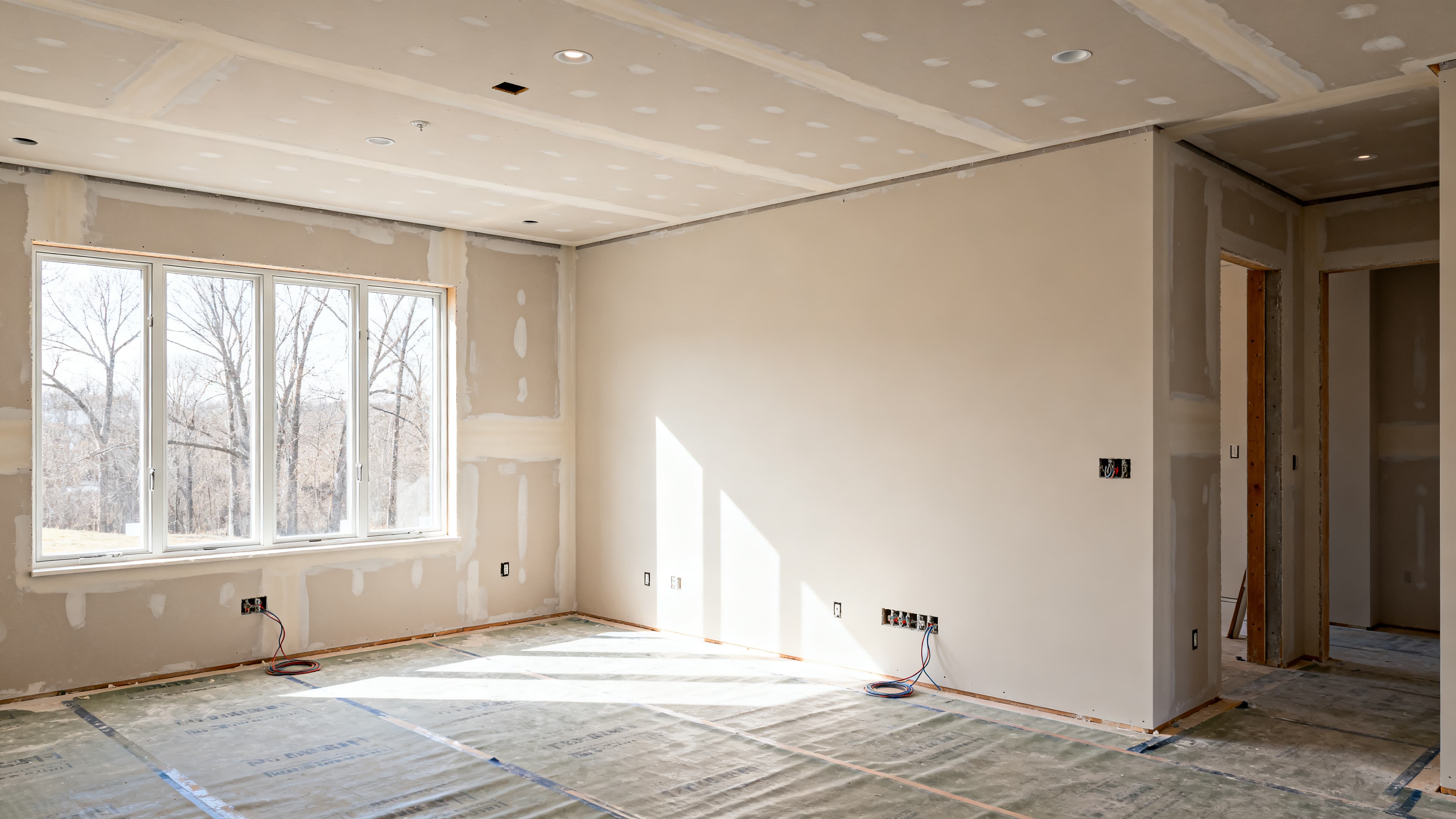
Most of the work that decides how an interior repaint turns out happens before anyone opens a can of paint. Some of it is yours, most of it is ours, and the part worth agreeing on in advance is which is which.
What you should move
Anything irreplaceable should leave the room rather than be covered in it. Photographs, artwork, mirrors, electronics, and anything with sentimental value are better off somewhere else entirely for the duration.
Small items are the ones that slow a crew down: books, ornaments, the contents of shelves, items on top of dressers. Clearing those yourself is usually faster than asking a painter to do it, and you will know where everything went.
Large furniture is ours. We move it to the middle of the room or out of it, and cover it.
What your painters should handle
- Covering floors and any furniture that stays in the room
- Masking trim, fixtures, switch plates and adjacent surfaces
- Cleaning surfaces so the new coat has something sound to bond to
- Filling nail holes and minor surface damage in the areas being painted
- Sanding filled areas and any rough or previously glossy surfaces
- Priming bare, patched or stained areas as the scope specifies
If you are unsure whether something is included, the written scope should answer it. That is what the scope is for.
Decisions worth making early
Colors and sheens, room by room. Decide before the first day. Changing a color mid-project usually means an extra coat and a schedule change.
What is in scope and what is not. Ceilings, trim, doors, closet interiors and the inside faces of cabinets are all separate decisions. Each one should be listed or deliberately excluded.
Which rooms, in which order. If you need a bedroom usable on a particular night or a home office working during the day, say so early enough that the sequence can be built around it.
Practical things people forget
Pets and small children need somewhere to be that is not the work area. Plan that in advance rather than on the morning.
Parking and access matter more than people expect. Crews arrive with ladders and materials; a clear path from the vehicle to the door saves real time.
Wall-mounted items leave holes. Curtain rods, brackets and shelves should come down if you do not want their fixings painted around — and you should decide whether the holes get filled or kept for reinstalling later.
Finally, agree how the space is left each day. Work in an occupied home should end each day in a state you can live with overnight.
Related service
Interior Painting
Walls, ceilings, trim and doors, with the room protected and put back as found.
Want this handled properly?
Tell us about the property and we will arrange a walkthrough.